I used to sleep under the stars
When gods kept watch at night
And Sun chased Moon across the sky
Like two love birds in flight…
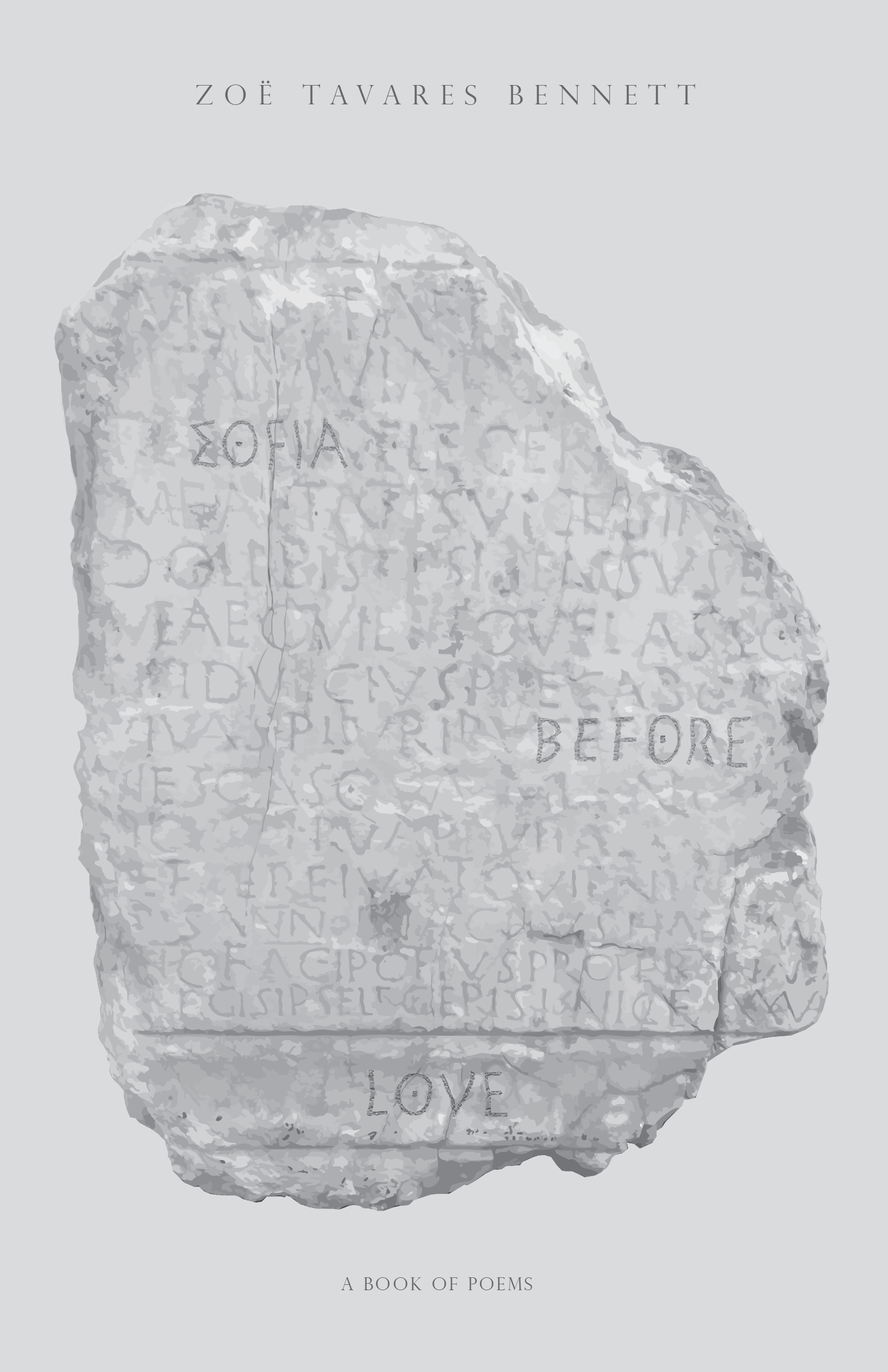
Sofia Before Love
In this ancient-meets-modern composition of my collected poems, I have utilized various metrical and rhyming schemes, everything from traditional iambic sonnets, ballads, and quatrains to more formidable sestina, dactylic hexameters, and alliterative Anglo-Saxon verse, to the elegant, pensive haikus and sparse lines reminiscent of Sappho’s fragmentary poetry, interspersed with my own humble illustrations.
Named after the obscure figure of Sofia—at once the Ancient Greek σοφία, or “wisdom,” but also the name of a woman before she encounters love, or φίλος—in relation both to philosophy but also more generally to maidenhood—these poems explore the ancient wisdom passed down from mother to daughter, interpreted through the fresh, knowledgeable and yet unmoored gaze of the modern woman.
Following the death and rebirth of Persephone, Sofia Before Love leads the reader through four related stages as told in the Homeric Hymn to Demeter: Korē, or “Maiden,” the name for Persephone before marriage; Death, for her descent to the Underworld after she was seized by Hades and wedded to him; Wisdom, gained in the act of eating pomegranate seeds, whether tricked or willingly, and often considered her maturation as a woman; and lastly, Spring, the joyful return of Persephone to her mother Demeter, who allows the earth to flower once more.
As befits our modern world, these poems slip in and out of different mythological, religious, philosophical, and invented landscapes, fusing well-known Classical legends with Egyptian and Near Eastern myths in metrical styles reminiscent of pagan, Germanic epics or cantering Italian sonnets or even simple, anonymous folk songs one might have heard once whistled by a fair maiden picking flowers…
In the footsteps of poets like J.R.R. Tolkien, whose gaze pierced through that veiled age of prehistory and recalled their songs in familiar meters, I have attempted to gather into one cohesive whole the enchanting, perilous world of Homer, the dreamy, Celtic air of the western edges of Europe, Egypt’s austere religiosity and late pagan philosophy, mystical Babylonian skies and stars, and the Abrahamic theology of the Near East, all mingled with reimagined stories in familiar places, translated and invented Ancient Greek hymns, and poetical musings of a girl—Sofia—as she embarks on the ancient and yet still mysterious path of becoming a woman, just like Persephone did before her, and still does each year in the dark depths of Winter before the flowering of Spring.